“The Purpose of a System Is What It Does.”
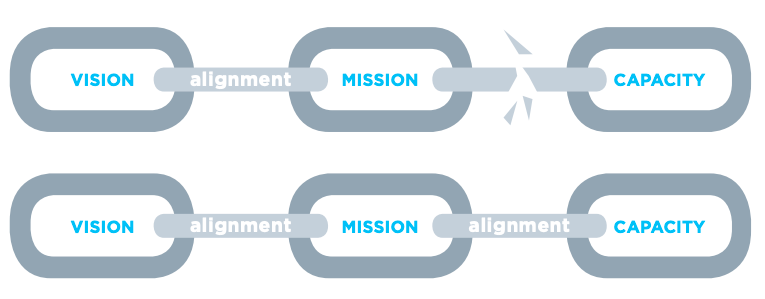
This post is adapted from Chapter 4 of Flock Not Clock. We must sound a cautionary note on evaluating whether capacity and mission align. Systems and …
The Cabrera Lab Blog
Part of our research mission is making the science of systems thinking available to everyone. The blog and the Cabrera Lab Podcast are where we share it. Views here are our own, not those of our partners or of Cornell University.
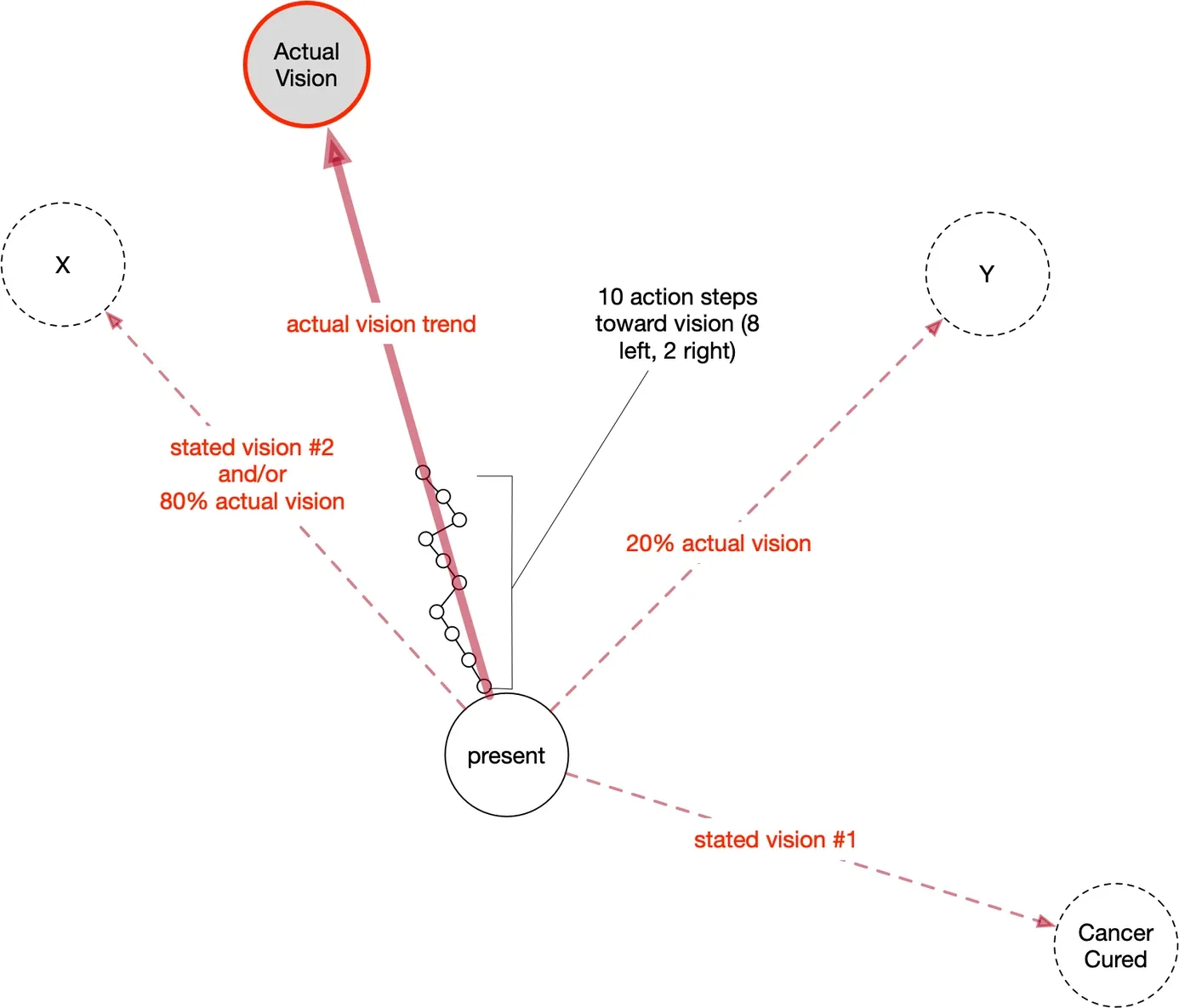
This post is adapted from Chapter 4 of Flock Not Clock. We must sound a cautionary note on evaluating whether capacity and mission align. Systems and …
This post is an excerpt from Chapter 4 of Flock Not Clock. When the linkage between capacity and mission is broken or “de-coupled” (i.e., when capacit…
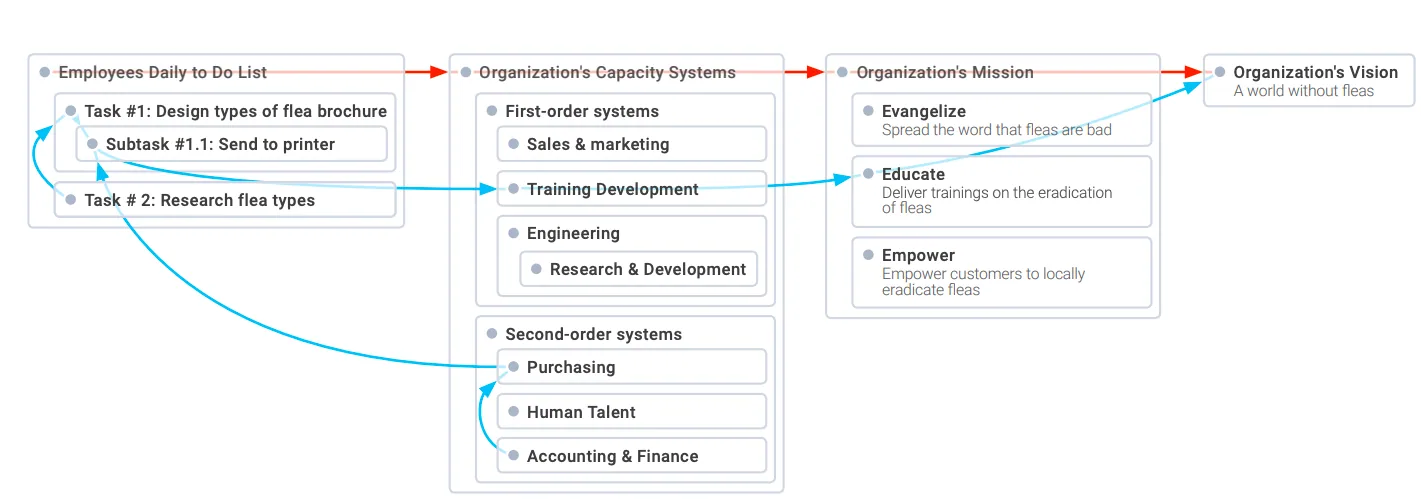
This post is an excerpt from Chapter 4 of Flock Not Clock. In a fictitious example, let’s say our organization’s vision is to “Eradicate Fleas Worldwi…
This post is an excerpt from Chapter 4 of Flock Not Clock. What is capacity? Capacity is a general term, used in disciplines from physics and mathemat…
This post is adapted from Chapter 3 of Flock Not Clock Why does your organization need a mission? How else does any collective know what’s best to do?…
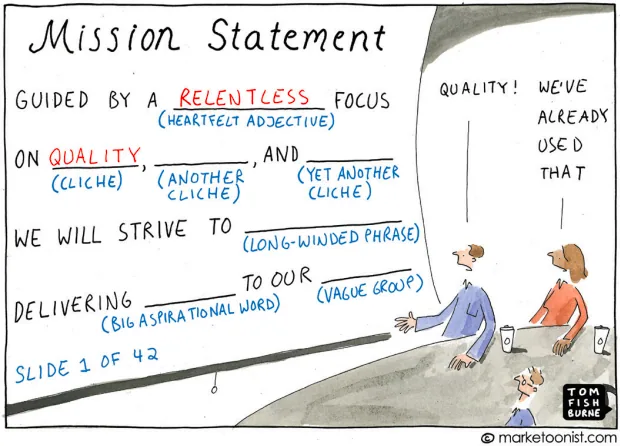
This blog is an excerpt from Chapter 3 of Flock Not Clock. Starting in the 1980s, there was tremendous pressure to create a mission statement (some bl…
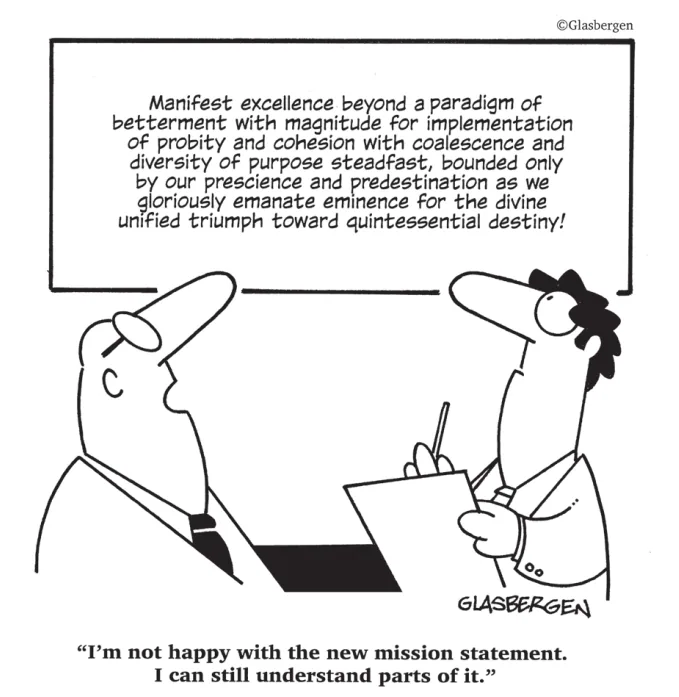
This post is an excerpt from Chapter 2 of Flock Not Clock. There’s a reason that there are articles in Inc. titled “The 9 Worst Mission Statements of …
If the right kind of Vision is so important, what explains companies that succeed with no [discernible] Vision? This is an important question we get a…
This post is an excerpt from Chapter 2 of Flock Not Clock. Social scientists have long understood the importance humans attach to a sense of purpose a…
This post is an excerpt from Chapter 1 of Flock Not Clock. So what are the simple rules of an organization? How do we leverage them to maximize organi…